What is kinesiotaping?
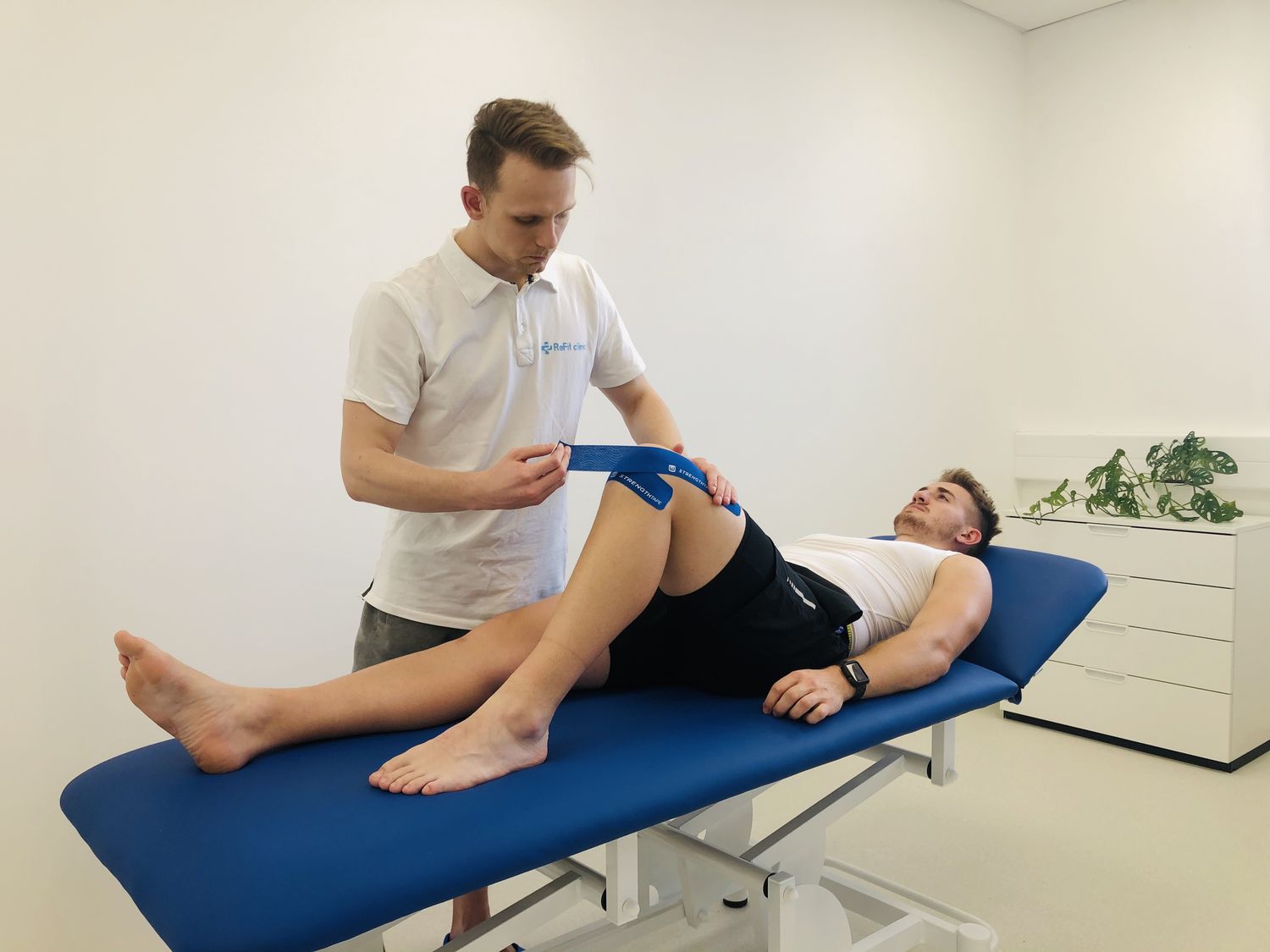
Kinesiotaping is the targeted application of elastic, rigid, and lymphatic tapes to the skin with the aim of relieving pain, supporting stability, and improving movement function without unnecessary immobilization. The tapes interact with the skin and subcutaneous tissues, influence microcirculation and neural perception, and help the body move and regenerate more efficiently.
How can it help?
-
Pain relief: reduces pressure on pain receptors; relief is often felt right after application.
-
Swelling: supports lymphatic drainage and speeds up the absorption of swelling and bruises.
-
Muscles & joints: activates weakened structures, unloads overworked ones, and improves movement control.
-
Technique: provides gentle feedback to correct movement patterns without rigid fixation.
Who is it suitable for?
-
Sport & performance: ankle sprains/instability, anterior knee pain, Achilles issues, plantar fasciitis, tennis/golfer’s elbow, shoulder impingement; also for preventing symptom recurrence when returning to training.
-
Chronic issues: neck and low-back pain, muscle spasms, osteoarthritis (more comfort when walking), enthesopathies, and heel spur.
-
After injuries/surgeries: swelling, hematomas, and scar support in later healing phases.
-
Functional problems: cervicogenic headaches, posture disorders (sensory correction).
When is it not recommended?
-
Allergy to adhesive; injured or infected skin at the application site.
-
Acute thromboembolic condition, uncontrolled cardiovascular issues (only after doctor’s approval).
-
Active oncological lesion at the application site (doctor’s approval required).
-
First trimester of pregnancy — only after consultation.
Practical information
-
Typically worn for 3–5 days (up to about 7); the tape is water-resistant.
-
After showering, press dry gently—do not rub.
-
Best results are achieved in combination with exercise and physiotherapy.
Dopyt na termín:
Share: